Violence and Criminal Tendencies in Children: A Guide for Families and Psychological Causes
Why do children exhibit violent or criminal behaviors? A psychological analysis of violence and delinquency in children. How should parents set boundaries and when should they intervene? A scientific guide for parents.
Some children do not only display outbursts of anger but also repeated behaviors that harm others, consciously violate rules, and recur over time. For parents, this is not only challenging but also anxiety-inducing and a real risk area.
Psychological literature shows that violence and criminal tendencies in children can in some cases be an expression of emotional difficulties, while in other cases they are associated with established behavioral patterns and weak control mechanisms.
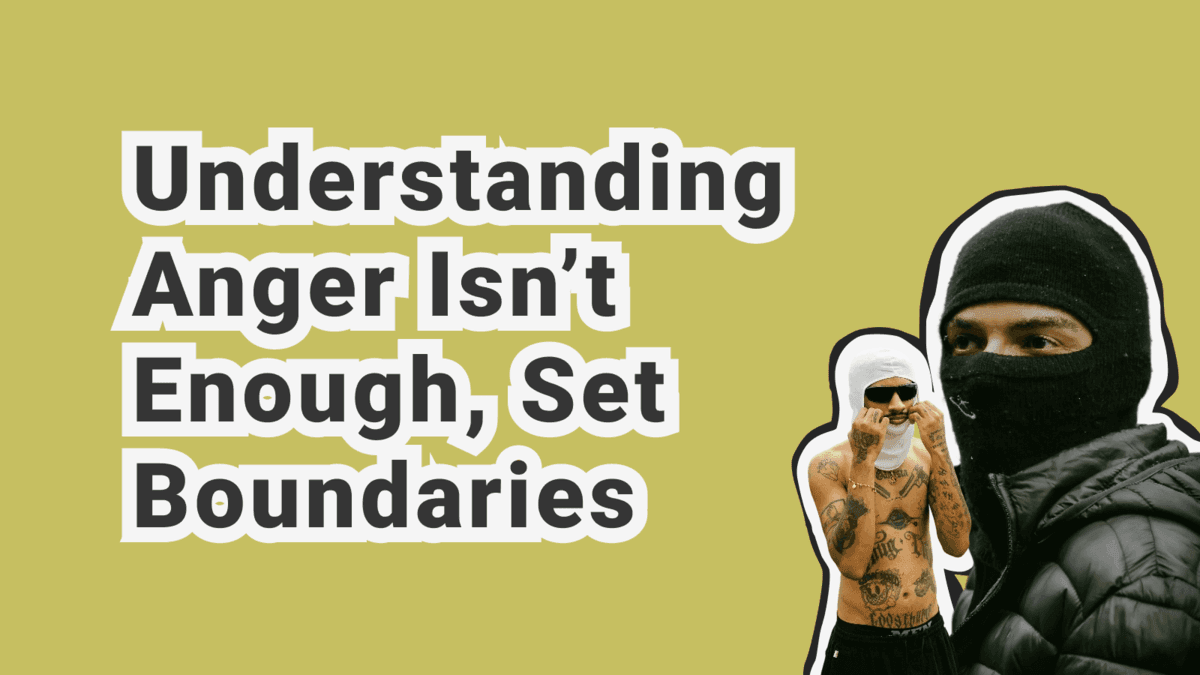
Therefore, it is not sufficient to view every behavior merely as “a message that wants to be understood.”
In some situations, the behavior becomes a boundary violation requiring clear intervention.
What Does Violent Behavior in Children Mean?
Violent behavior can stem from various psychological sources. In some children, it arises from emotional regulation difficulties, while in others it is linked to impulse control deficits, problems in empathy development, or learned aggressive patterns.From a neurobiological perspective, the prefrontal regions responsible for impulse control are not yet fully developed. This can lead some children to have a reduced capacity to assess the consequences of their actions.
However, this explanation does not mean the behavior is acceptable.
Violent behavior, regardless of its cause, is a behavior that needs to be limited and structured.
Is Every Aggressive Act Harmless?
No. Developmental psychology clearly states:Not every aggressive behavior is temporary or harmless.
In some children, behaviors may:
- become planned
- contain an intention to harm others
- recur and form a persistent pattern
Clinical conditions such as Conduct Disorder indicate that the child is not just experiencing loss of control but also consciously violating social rules.
The central question is:
How often, how intensely, and with what consequences does this behavior occur?
The Family Environment Matters – But Is Not the Only Factor
The family environment is influential but not the sole explanation. Children growing up in the same household can develop different behaviors, highlighting the importance of individual differences.Research indicates that the following factors interact:
- genetic predisposition
- temperament characteristics
- early childhood experiences
- parental attitudes
- social environment
Therefore, it is unrealistic for parents to entirely blame themselves or attribute everything to external factors.
Emotional Regulation and Impulse Control
Some children face significant challenges in regulating their emotions. This is particularly evident in cases of:- Attention-Deficit/Hyperactivity Disorder (ADHD)
- traumatic experiences
- chronic stress
These children may act impulsively and have difficulty assessing the consequences of their actions. Crucially:
Impulsivity does not mean that boundaries should be removed.
On the contrary, these children need more structure, consistency, and clear limits.
Empathy Development and Social Learning
Empathy is not innate but a developmental process. In some children, its development may be delayed or limited.Particularly concerning are:
- failure to recognize others’ emotions
- absence of guilt after harming others
- violation of others’ boundaries
According to social learning theory, children learn not only through observation but also through reward and punishment systems. If aggressive behavior goes unpunished, it can become reinforced over time.
Peer Influence and Criminal Behavior
As children approach adolescence, peer influence becomes stronger. Children in groups where risky behaviors are normalized are more likely to adopt such behaviors.Research shows that behaviors within groups can often be riskier and less controlled than individual behaviors.
Thus, a child’s social environment is not only about “choosing friends” but also a critical factor in behavioral development.
How Should Parents Respond?
A common mistake is either being overly strict or completely permissive without setting boundaries.Scientifically supported approaches include:
- setting clear and consistent boundaries
- explicitly showing the consequences of behavior
- avoiding physical or psychological punishment
- reinforcing positive behaviors
Children should clearly learn:
Behaviors have consequences.
When Is Professional Help Necessary?
In some cases, parental intervention may not suffice. Especially if:- harmful behaviors increase
- rules are consistently and consciously violated
- significant empathy deficits are present
- school and social functioning are impaired
professional assessment is required.
Early intervention plays a critical role in preventing these behaviors from becoming entrenched.
Is Change Possible?
Yes, but not spontaneously.Research shows that structured intervention programs, family support, and therapy can help children:
- regulate their behavior
- develop empathy
- improve social adaptation
However, this process requires time, consistency, and commitment.
Conclusion
Violence and criminal tendencies in children can sometimes reflect underlying challenges that need to be understood, while in other cases they constitute clear behavior problems requiring boundaries.Viewing these behaviors only as a “message” is insufficient.
Similarly, relying solely on punishment is not effective.
The healthiest approach is:
Understand + set boundaries + seek professional support if necessary.
Children need not only understanding but also
guidance and clear limits.
To create a session
You can quickly create a session request via WhatsApp or email by choosing the therapy package that best suits you.