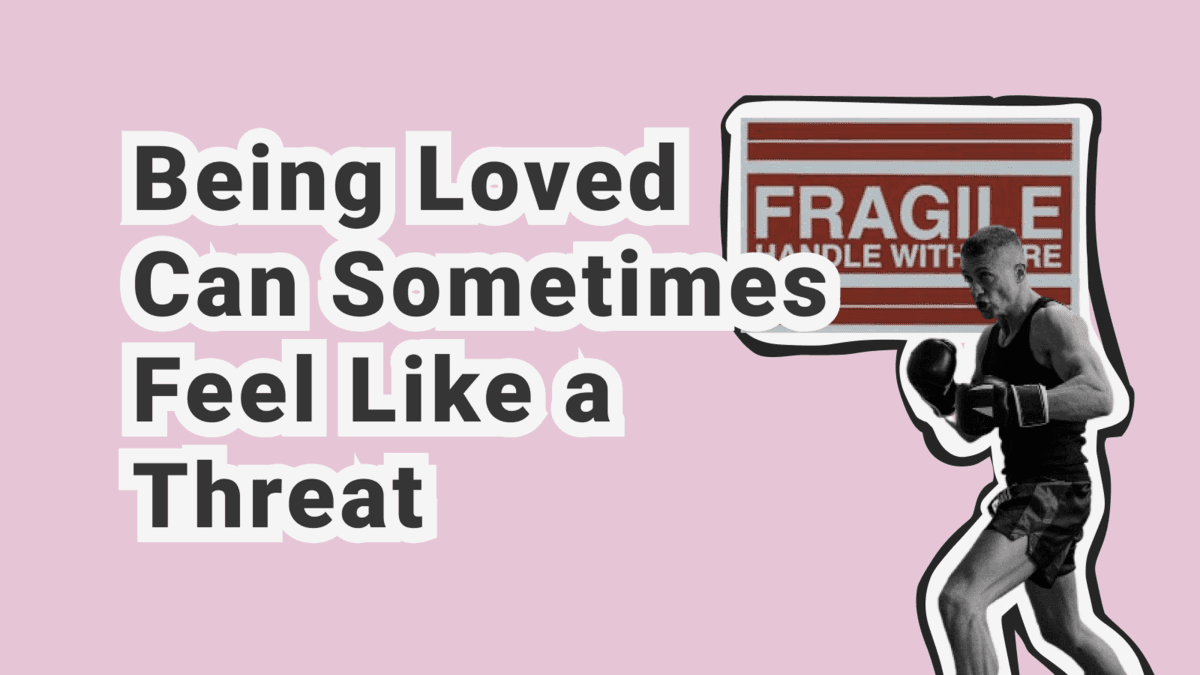
Pushing People Away: Love, Trust, and Psychological Defense Mechanisms
Why do some people push away those who love them? The psychological foundations of trust, inner thought processes, and coping strategies explained in a scientific framework.
Some people display anger, distance, or rejecting behaviors toward those they love or who love them. At the core of this behavior lies the vulnerable nature of trust, which comes with closeness and emotional connection. These individuals may believe that forming emotional bonds will make them appear weak, and therefore they often choose to create distance and retreat into a more controlled and predictable inner world.
In such moments, their inner voice becomes louder; aggressive, angry, and sometimes harsh thoughts emerge. As a result, they may enter periods where they avoid closeness and actively push others away.
The Psychological Basis of Defense Mechanisms
Defense mechanisms are automatic psychological processes that help protect inner stability. In the theories of Sigmund Freud, they are described as unconscious strategies that reduce anxiety and internal conflict. In the context of love and closeness, some individuals develop emotional defenses such as distancing, anger, or aggressive reactions.Attachment theory suggests that individuals with insecure attachment styles may struggle with trust. Emotional closeness can trigger internal discomfort, leading them to restore a sense of control by creating distance. While these mechanisms provide short-term protection, they can contribute to long-term loneliness and relational difficulties.
Inner Voice and Negative Thought Cycles
A person’s internal dialogue plays a crucial role in shaping emotions and behaviors. In individuals with attachment-related sensitivities, this dialogue can evolve into repetitive negative thought cycles.Common thoughts may include:
- “If I get close, I will get hurt.”
- “People don’t understand love.”
- “It’s dangerous to open up.”
These thoughts reinforce each other and lead to behaviors such as withdrawal, criticism, or rejection. Research shows that persistent negative thinking patterns can impair emotional regulation and reduce the quality of interpersonal relationships over time. Breaking these cycles often requires conscious awareness and, in many cases, therapeutic support.
Resistance to Love and Emotional Defense
For some individuals, love represents not only closeness but also vulnerability and potential loss of control. As a result, they may develop strategies to protect themselves emotionally. These can include:- Withdrawing from emotional intimacy
- Acting critically or distant toward others
- Preferring controlled and superficial relationships
While these strategies may reduce anxiety in the short term, they often lead to long-term loneliness and lack of fulfilling relationships. Research in attachment and emotion psychology suggests that such patterns are often rooted in earlier relational experiences.
The Psychology of Loneliness and Social Isolation
Loneliness is not only a physical state but also an emotional and cognitive experience. Social isolation may initially create a sense of control and safety. However, chronic loneliness can have significant psychological consequences.Research indicates that prolonged loneliness is associated with higher risks of anxiety, depression, and reduced social functioning. It can also reinforce negative internal narratives, creating a self-perpetuating cycle of withdrawal and isolation.
Emotional Awareness and Internal Regulation
Emotional awareness refers to the ability to recognize, understand, and regulate one’s own emotions. Developing this capacity is essential for managing impulsive reactions such as anger or withdrawal.Individuals who become aware of their emotional triggers can observe their internal processes and develop alternative responses. Clinical studies show that emotional awareness is associated with healthier relationships and improved psychological well-being. It allows individuals to interrupt automatic negative patterns and respond more consciously.
Small Steps to Rebuild Social Connection
For individuals who tend to withdraw, rebuilding social connection is a gradual process. Small and manageable interactions can be helpful:- Engaging in short, authentic conversations
- Reconnecting with trusted individuals
- Setting clear emotional boundaries
Research in social psychology suggests that even minimal social interactions can increase the sense of belonging and reduce feelings of loneliness.
Professional Support and Therapy
Psychotherapy plays a key role in addressing these behavioral patterns. Approaches such as cognitive behavioral therapy (CBT), trauma-focused therapy, and attachment-based interventions help individuals recognize and restructure their internal patterns.Therapy provides a space to better understand emotional responses and develop safer relational experiences. Over time, this can lead to a stronger sense of trust and emotional security.
Long-Term Healing and Relational Growth
With increased self-awareness and support, individuals can:- Rebuild trust in relationships
- Become more open to closeness and affection
- Break negative thought cycles
In the long term, this process contributes to greater emotional stability and improved quality of life. Research highlights that strengthening internal regulation and relational trust are key components of psychological well-being.
Conclusion
The tendency to push others away is often the result of deep psychological defense mechanisms related to trust and vulnerability. While this behavior may offer short-term protection, it can lead to long-term isolation and emotional distance.However, scientific research and therapeutic approaches provide effective pathways to recognize and transform these patterns, making it possible to build healthier and more secure relationships.

To create a session
You can quickly create a session request via WhatsApp or email by choosing the therapy package that best suits you.