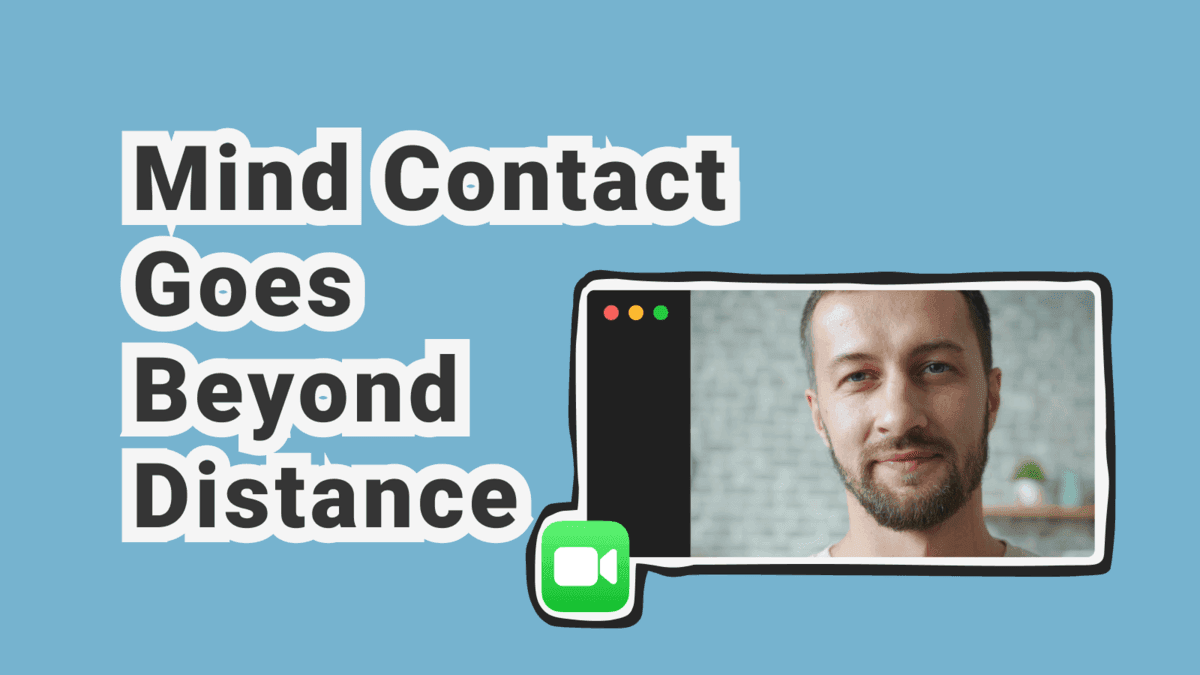
Is Online Therapy Effective? Scientific Foundations, Benefits, and How It Compares to In-Person Therapy
Is online therapy truly effective? A comprehensive exploration of therapeutic relationships, privacy, cost benefits, and psychological processes in modern psychotherapy.
Online therapy has evolved in recent years from an alternative to a central component of psychological support systems.
Many people still have common questions:
“Is online therapy really effective?”
“Can it be just as impactful as in-person therapy?”
These questions are understandable, as therapy addresses deeply personal areas. Current psychological research shows that the effectiveness of therapy depends more on the therapeutic process and the relationship than on the physical setting.
The Power of the Therapeutic Relationship: Can Trust, Bonding, and Depth Be Achieved Online?
In psychotherapy research, the "therapeutic alliance" is considered one of the most significant factors. It is not only about talking, but about feeling understood, seen, and emotionally connected.Anywhere a person feels safe, can express themselves, and is not judged, this relationship can develop. Therefore, the quality of the therapeutic connection often matters more than physical proximity.
Even in online therapy, a person can:
- speak more openly
- reach deeper emotions
- work on difficult topics within a protected framework
The key is not sharing a physical space, but creating genuine connection through a shared psychological process.
Brain and Emotional Contact: How Neuropsychological Processes Work in Online Sessions
The human brain does not process social interaction solely through physical presence. Voice, facial expression, and emotional content activate central social processing systems.Even in video sessions:
- mirror neuron systems are activated
- emotional synchronization occurs
- empathic processes are stimulated
This allows the individual to experience real emotional connection and being understood even through a screen.
Overcoming Hidden Barriers to Starting Therapy
Many people feel the need for therapy but hesitate to take the first step. These barriers are often internal rather than external.For example:
- Uncertainty about entering a new environment
- Fear of judgment
- Not knowing what to say
Online therapy significantly reduces these barriers. Individuals can participate from their familiar environment and feel less pressured.
This facilitates initial engagement and provides a gentler entry into the therapeutic process.
Privacy, Control, and Psychological Safety in Your Own Space
A key factor for therapeutic depth is the feeling of safety.In online therapy, individuals can:
- choose their own space
- ensure physical comfort
- turn off the camera if needed
This is particularly helpful for people who find it difficult to open up.
Greater control promotes emotional flexibility, allowing easier expression. For many, online therapy thus offers
a safer and more self-regulated environment.
Cost-Effectiveness and Scheduling Flexibility: Ensuring Continuity
Psychotherapy is an ongoing process, not a one-time event. Maintaining continuity in daily life can be challenging.Online therapy:
- eliminates travel time
- eases scheduling
- is often more affordable
These factors increase the likelihood of consistent participation.
With regular sessions, therapeutic effects deepen, as change occurs through repeated insight and processing.
Familiar Environment and Nervous System Regulation
Being in one’s own space directly affects the nervous system.A familiar environment:
- reduces perceived threat
- promotes physical relaxation
- facilitates emotional openness
Many individuals report opening up faster and more deeply in online therapy.
This creates a state where less defense and more authentic contact are possible.
Psychotherapeutic Approaches in Online Therapy
Online therapy is more than just conversation. Many evidence-based methods can be effectively applied digitally.These include:
- Cognitive Behavioral Therapy (CBT)
- Schema Therapy
- Acceptance and Commitment Therapy (ACT)
- Emotion-Focused Therapy
These approaches aim to understand and modify thought, emotion, and behavior patterns.
Online therapy is thus not limited, but a flexible application of established therapeutic methods.
Developing Emotional Regulation Skills Through Online Therapy
One of the most important competencies developed in therapy is emotional regulation.During online therapy, individuals can:
- identify personal triggers
- label emotions
- consciously slow down reactions
These skills become internalized over time and transfer to daily life.
Thus, individuals become not only session-ready but also more emotionally stable and capable in everyday situations.
Working with Resistance and Avoidance in the Online Setting
Certain topics may feel inaccessible, leading to avoidance behaviors.Online therapy offers a dual structure:
- easier entry
- simpler retreat if needed
Therapists actively address this dynamic.
The goal is not to eliminate avoidance, but to understand the underlying emotional needs.
This approach prevents superficiality and enables deeper therapeutic work.
Conclusion
Online therapy is a scientifically validated and increasingly established approach, adapting to the demands of modern life.Differences from in-person therapy are often smaller than expected. For many, it is even more accessible, comfortable, and sustainable.
The key is to start and maintain the process. Therapy is not just about talking; it is about understanding, reflecting, and achieving lasting change.
To create a session
You can quickly create a session request via WhatsApp or email by choosing the therapy package that best suits you.