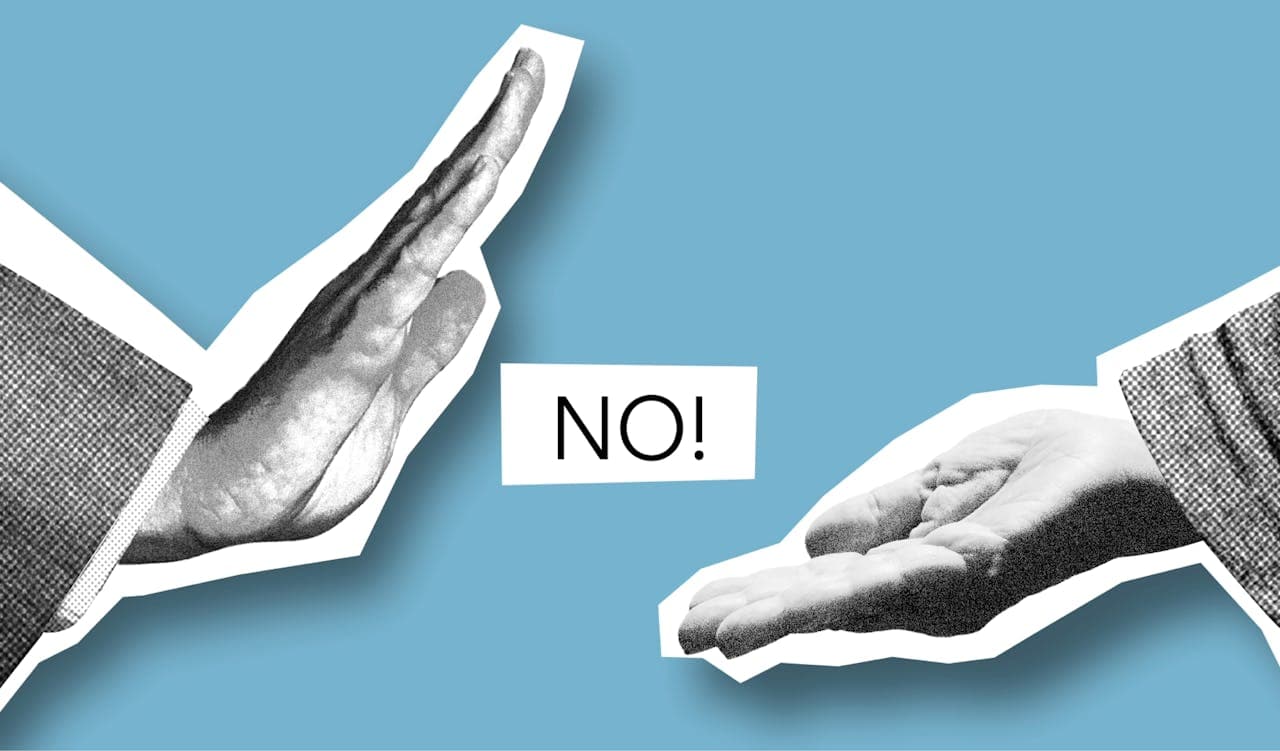
Negative Thought Cycles: Negativity, Emotional Contagion, and Coping Strategies
Why do persistent negative thoughts occur? A scientifically grounded explanation of rumination, negativity bias, emotional contagion, and evidence-based coping strategies.
In everyday language, this pattern is often described as being a “negative person,” “constantly pessimistic,” or “someone who brings the mood down.” In psychological literature, however, this phenomenon is more precisely explained through concepts such as rumination (repetitive negative thinking), negativity bias, cognitive distortions, and emotional contagion.
Negative thought cycles are characterized by systematically interpreting events in a pessimistic way, mentally amplifying minor problems, and reflecting this emotional state onto one’s social environment. In most cases, this is not a conscious choice but rather the result of learned cognitive patterns, stress-coping styles, and difficulties in emotion regulation.
Often, individuals recognize it afterward:
“I brought the mood down again.”
“I exaggerated.”
“I hurt people.”
This awareness may trigger guilt and regret — yet it is also the starting point for change.
Psychological Mechanisms of Persistent Negative Thinking
Rumination (Repetitive Negative Thinking): Rumination refers to repeatedly dwelling on distressing events or emotions without moving toward constructive solutions. Research consistently shows a strong association between rumination, depressive symptoms, and anxiety.Individuals may perceive rumination as problem-solving, while in reality it intensifies and prolongs emotional distress.
Negativity Bias: The human brain processes negative information more rapidly and retains it more strongly than positive information. As a result, a single critical comment can overshadow numerous positive experiences.
Cognitive Distortions: Catastrophizing, overgeneralization, and mind-reading are common cognitive distortions that make situations appear more negative than they objectively are. When left unexamined, these patterns become automatic.
Emotional Contagion: The Social Transmission of Negativity
Emotions are socially transferable. In psychology, this phenomenon is referred to as emotional contagion. Individuals who frequently complain, emphasize hopelessness, or dramatize situations may unintentionally influence the emotional climate of their surroundings.
Over time, this may lead to:
- Social distancing
- Feedback such as “You’re always so negative”
- Interpersonal tension
This dynamic can intensify both internal distress and the risk of social isolation.
Negativity and Self-Concept
Persistent negative thinking can gradually become integrated into one’s identity:“That’s just who I am — I’m a negative person.”
Such self-labeling reduces cognitive flexibility. From a scientific perspective, however, negative thinking patterns are modifiable psychological processes rather than fixed personality traits.
An Evidence-Based Intervention That Truly Works: Behavioral Activation
One of the most effective ways to interrupt negative thought cycles is not solely analyzing thoughts, but actively changing behavior.Behavioral activation involves intentionally engaging in small, structured activities that promote positive or meaningful experiences — even when motivation is low.
Examples include:
- Scheduling short daily walks
- Increasing intentional social contact
- Setting small, achievable tasks
- Planning activities that provide meaning or enjoyment
Research demonstrates that behavioral activation reduces rumination and alleviates depressive symptoms by disrupting the cognitive loop through action.
Additional Coping Strategies
Cognitive Restructuring: Examine automatic thoughts based on evidence and generate alternative interpretations.Emotional Differentiation: Instead of saying “I am negative,” reframe it as “I am feeling negative right now.” This separates identity from temporary emotional states.
Response Delay: Avoid immediately expressing negative thoughts; introduce a brief pause to support emotional regulation.
Professional Support: If rumination is intense, persistent, and functionally impairing, seeking psychological support is recommended.
Conclusion
Being perceived as “negative” is typically not a stable personality trait but rather the result of ongoing cognitive and emotional regulation patterns. Rumination, negativity bias, and cognitive distortions sustain this cycle, while emotional contagion amplifies its interpersonal effects.However, these processes are changeable.
Awareness, behavioral action, and emotional responsibility form the foundation of sustainable change.
Negativity is not an identity.
It is a regulatable psychological process.
To create a session
You can quickly create a session request via WhatsApp or email by choosing the therapy package that best suits you.