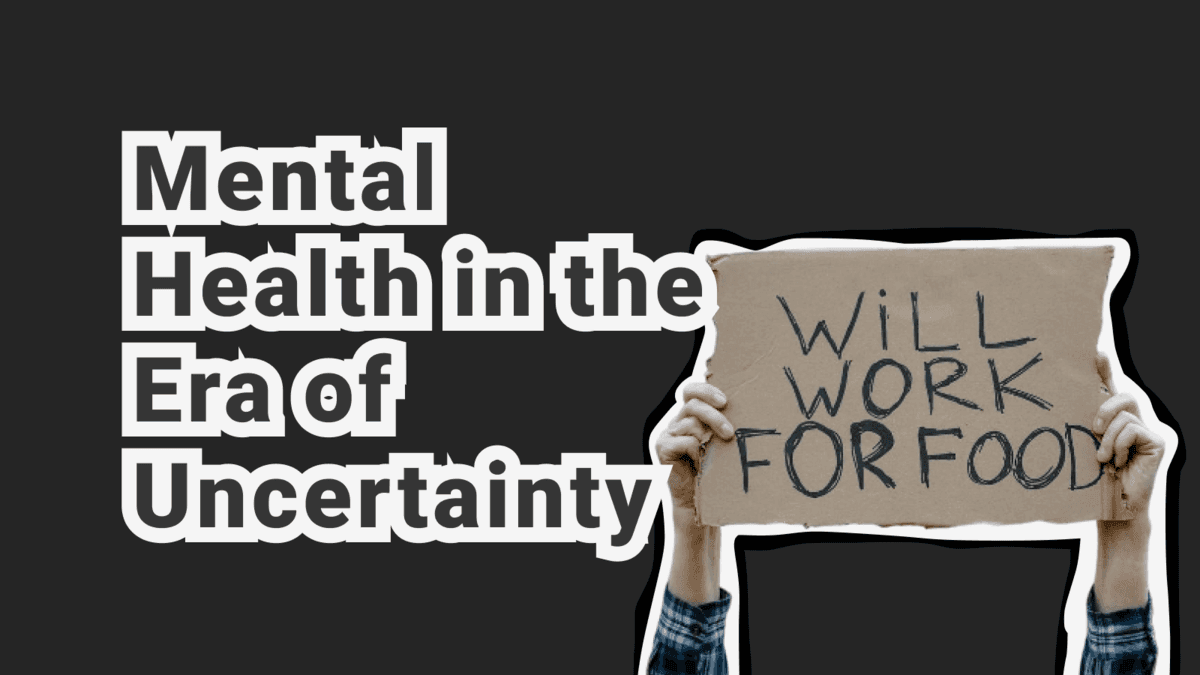
Mass Unemployment and Economic Crises: Psychological Effects on Individuals and Society
What are the psychological consequences of mass unemployment and economic hardship on individuals and society? A scientifically grounded and practical guide addressing stress, depression, social resilience, and supportive strategies.
Economic crises and periods of mass unemployment affect far more than financial indicators. They profoundly influence the psychological well-being of individuals and the emotional climate of entire societies. Losing a job or facing financial instability threatens not only income, but also identity, self-worth, and the fundamental sense of safety.
For many people, work is more than a source of money. It structures daily life, provides social belonging, and contributes to a sense of meaning and contribution. For this reason, mass unemployment evolves from an individual challenge into a collective psychological burden.
A substantial body of research demonstrates significant associations between rising unemployment during economic downturns and increased rates of depression, anxiety disorders, substance misuse, and suicidality. Understanding the psychological mechanisms behind these outcomes is essential for developing effective interventions.
Individual Psychological Effects of Unemployment
Job loss is often experienced as a form of grief. Initial reactions may include shock or denial, followed by anger, guilt, and a growing sense of worthlessness. In cases of prolonged unemployment, self-esteem may deteriorate significantly.Common psychological responses include:
- Depressive symptoms and hopelessness
- Intense anxiety about the future
- Sleep disturbances
- Social withdrawal
- Feelings of inadequacy
Long-term unemployment may activate processes similar to learned helplessness. When repeated efforts fail to produce results, individuals may begin to believe they have no control over outcomes. Motivation declines, passivity increases, and both psychological and functional capacities are affected.
In addition, financial uncertainty generates chronic stress. Persistent hypervigilance can lead to sustained activation of the stress response system, increasing the risk of somatic complaints such as headaches, gastrointestinal problems, and muscle tension.
Impact of Economic Hardship on Family and Relationships
As financial strain intensifies, relational stress often increases as well. Economic pressure is associated with higher levels of conflict between partners. Elevated parental stress can also influence children’s emotional regulation and sense of security.Research indicates that economic crises may be linked to:
- Increased family conflict
- Higher rates of separation or divorce
- Greater emotional vulnerability among children
These findings suggest that economic hardship does not remain confined to the individual but can produce intergenerational psychological consequences.
Societal-Level Psychological Consequences
Mass unemployment and economic instability can erode trust in institutions and weaken collective hope for the future. Social polarization, frustration, and distrust may intensify. When social cohesion deteriorates, collective stress levels rise.Observable societal effects may include:
- Increased social tension and distrust
- Greater susceptibility to radical or conspiratorial thinking
- Social isolation
- Increased demand for mental health services
Economic crises are therefore not solely financial events; they are also psychosocial crises.
Protective Factors and Psychological Resilience
Not everyone responds to economic hardship in the same way. Certain protective factors can significantly buffer psychological impact:- Strong social support networks
- A preserved sense of meaning and personal value
- Flexible problem-solving skills
- Realistic yet hopeful cognitive framing
Empirical evidence consistently shows that social support reduces the negative psychological effects of unemployment. A sense of belonging serves as a critical stabilizing force during periods of uncertainty.
Practical Individual Strategies
While macroeconomic conditions are often beyond personal control, psychological responses can be partially regulated.Helpful strategies include:
- Maintaining daily structure: Regular wake times, scheduled job-search activities, and physical movement can reduce psychological disorganization.
- Avoiding identity fusion with employment status: Personal values, competencies, and relationships remain essential aspects of identity.
- Challenging catastrophic thinking: Absolute thoughts such as “I will never find work again” should be examined critically.
- Preventing social withdrawal: Shame can lead to isolation, which further worsens mental health.
- Seeking professional support when necessary: Persistent depressive or anxiety symptoms warrant psychological intervention.
These approaches may not immediately resolve financial hardship, but they can prevent psychological deterioration.
How to Support Someone Experiencing Financial Hardship
The way we respond to someone facing economic difficulty can significantly influence their psychological well-being. Even well-intentioned comments may unintentionally intensify shame or inadequacy.Supportive approaches include:
- Listening without judgment: Replace blame-oriented questions with genuine curiosity about the person’s emotional experience.
- Avoiding premature problem-solving: Acknowledge emotional distress before offering advice.
- Refraining from comparisons: Statements like “Others manage just fine” can increase pressure and withdrawal.
- Offering practical help respectfully: Assistance should preserve the individual’s autonomy and dignity.
- Providing consistent support over time: Ongoing presence is more stabilizing than short-term reactions.
Individuals facing financial hardship often carry both material and emotional burdens. The most powerful form of support is reinforcing their inherent worth independent of economic status.
Conclusion
Mass unemployment and economic crises:- Increase the risk of depression and anxiety disorders
- Affect family relationships and relational stability
- Undermine social trust and cohesion
- Leave long-term marks on collective mental health
At the same time, crises can foster solidarity, mutual support, and new forms of collective meaning-making.
Economic hardship is real and often severe.
However, psychological resilience, social connection, and intentional coping strategies can significantly mitigate its emotional consequences.
An economy is not defined solely by numbers.
The mental health of a society is an essential—though often invisible—dimension of its overall stability.

To create a session
You can quickly create a session request via WhatsApp or email by choosing the therapy package that best suits you.