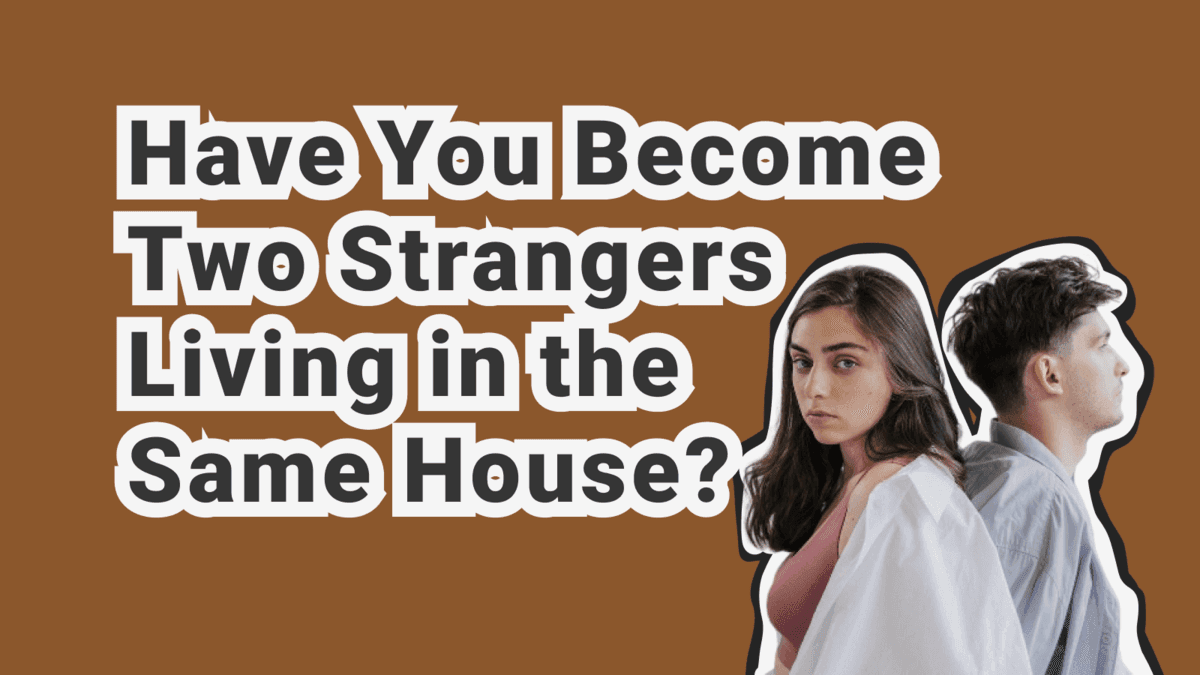
Is Our Marriage Over? The Psychology of Growing Apart While Living Under the Same Roof
What does it mean when couples stop fighting but also stop connecting? Learn about emotional distance in marriage, living like strangers under the same roof, and the psychological impact on both partners through a scientific and compassionate perspective.
There are periods in some marriages when the arguments become less frequent. At first glance, this may seem like a positive development. However, in some relationships, the decrease in conflict is not a sign that problems have been resolved. Instead, it may indicate that both partners have emotionally withdrawn from the relationship.
Conversations become limited to practical matters.
Shared experiences gradually disappear.
Emotional intimacy fades.
Physical closeness decreases.
Partners stop being curious about one another.
Over time, many couples begin asking themselves:
"Are we still a couple, or just living in the same house?"
"Why don't we fight anymore?"
"How did we become strangers to each other?"
"Is this just a phase, or is our marriage ending?"
If these questions feel familiar, you are not alone. Relationship research shows that many couples do not end their marriages through a single major conflict. Instead, emotional distance often develops slowly over months or years. Sometimes the relationship does not end legally, but emotionally. The couple continues sharing the same home while gradually losing the sense of connection that once brought them together.
This experience can be deeply painful because the relationship appears intact from the outside, yet both partners may feel profoundly lonely on the inside.
When Emotional Distance Replaces Conflict
Many people assume that conflict is the greatest threat to a marriage. However, relationship researchers have long emphasized that emotional disengagement can be even more damaging than conflict itself. When couples still argue, there is often evidence that they are attempting to influence each other, communicate unmet needs, or repair the relationship.Emotional withdrawal is different. In emotionally distant relationships, partners may stop discussing problems altogether because they no longer believe change is possible.
Common signs include:
- Conversations becoming purely functional
- Avoiding meaningful discussions
- Reduced physical affection
- Feeling emotionally alone despite being together
- Lack of curiosity about each other's experiences
- Spending increasing amounts of time emotionally disconnected
The relationship may begin to feel more like a logistical partnership than an emotional bond.
Why Do Couples Become Emotionally Disconnected?
Emotional distance rarely appears overnight. It usually develops gradually through repeated experiences that remain unresolved.Unresolved Relationship Injuries
Many couples carry disappointments, betrayals, unmet expectations, or emotional wounds that were never fully addressed.Over time, these experiences can create emotional walls between partners. Instead of expressing hurt, individuals may begin protecting themselves through emotional withdrawal.
Chronic Stress and Life Pressures
Parenting responsibilities, financial concerns, work-related stress, caregiving duties, and everyday demands can consume enormous psychological energy. When stress remains high for long periods, couples often stop investing in the emotional side of their relationship.Survival begins to replace connection.
Feeling Unheard for Too Long
One of the strongest predictors of emotional disengagement is the repeated experience of feeling misunderstood or emotionally unseen.After enough unsuccessful attempts to communicate needs, some individuals simply stop trying. Silence can become a form of resignation.
The Psychological Cost of Living Like Strangers
Emotional distance affects far more than relationship satisfaction. It can also influence mental health, self-esteem, and overall well-being.Persistent Loneliness
Research consistently shows that loneliness can exist even within committed relationships. In fact, feeling emotionally alone while physically close to another person can be particularly distressing.Many individuals describe this experience as:
"I am not alone, but I feel alone every day."
### Increased Risk of Depression
Emotional disconnection may contribute to:
- Chronic sadness
- Reduced motivation
- Emotional numbness
- Feelings of hopelessness
- Loss of enjoyment in daily life
Some people begin questioning their own worth because they no longer feel emotionally valued within the relationship.
Emotional Exhaustion
Living in an emotionally distant marriage often requires ongoing emotional suppression. Individuals may continuously hide disappointment, sadness, resentment, or grief.Maintaining this emotional burden can become psychologically exhausting over time.
What About the Children?
Many couples remain together primarily for their children. This decision is often motivated by love and a genuine desire to protect the family. However, children are highly sensitive to emotional climates. Even when parents avoid open conflict, children often notice:
- Lack of warmth
- Emotional distance
- Minimal affection
- Persistent tension
- Emotional disengagement
Research suggests that children benefit not only from family stability but also from emotionally healthy relationships within the family system. The goal is not simply remaining under the same roof. The goal is creating an environment where emotional security can exist.
Can Emotional Connection Be Rebuilt?
In many cases, yes. Emotional distance does not automatically mean the relationship is over. However, rebuilding connection usually requires active effort from both partners.Reconnection often begins when couples become willing to move beyond blame and explore the underlying emotional experiences that created the distance.
Important steps may include:
- Re-establishing meaningful conversations
- Learning to express emotions safely
- Understanding each other's unmet needs
- Addressing unresolved hurts
- Creating new shared experiences
- Rebuilding trust and emotional safety
The process is rarely immediate. Emotional closeness is typically rebuilt through consistent small interactions rather than one major conversation.
When Professional Support Can Help
Sometimes emotional distance has become so deeply rooted that couples struggle to reconnect on their own. In these situations, psychotherapy or couples therapy can provide a structured and supportive environment.Therapy may help couples:
- Understand recurring relationship patterns
- Improve communication skills
- Process unresolved emotional injuries
- Rebuild emotional intimacy
- Explore whether repair is possible
- Make future decisions with greater clarity
Seeking professional support does not automatically mean a relationship is failing. In many cases, it reflects a willingness to understand what is happening and respond intentionally rather than remaining stuck in emotional disconnection.
In Conclusion
Some relationships end through dramatic conflicts. Others slowly fade through silence. Emotional distance can develop so gradually that neither partner notices it until they feel like strangers sharing the same homeIf you recognize yourself in this experience, it does not necessarily mean your marriage is over. It may be a sign that important emotional needs have gone unmet for a long time. The absence of conflict does not always indicate the presence of connection.
Sometimes the most painful form of loneliness is feeling emotionally disconnected from the person sitting beside you every day. Understanding what created that distance is often the first step toward deciding what comes next.
Important Clinical Disclaimer
This content is intended for informational purposes only and does not replace professional psychological assessment or treatment.If emotional distance in your relationship is contributing to persistent sadness, anxiety, hopelessness, significant relationship distress, or difficulties in daily functioning, seeking support from a qualified mental health professional may be beneficial.
To create a session
You can quickly create a session request via WhatsApp or email by choosing the therapy package that best suits you.