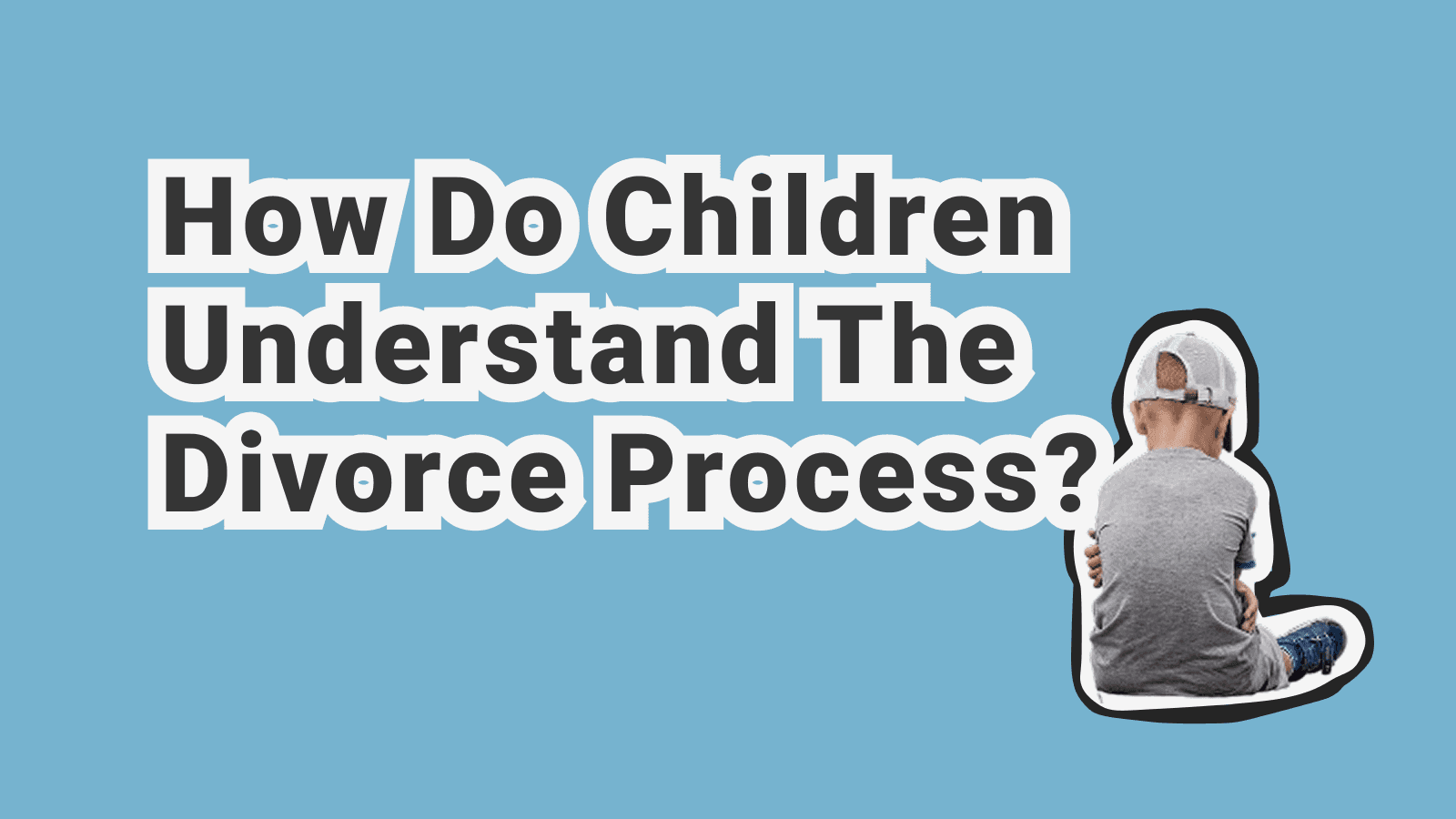
How Do You Explain the Divorce Process to a Child? A Psychological Guide by Age and Expert Psychologist Opinion
The most important factor when explaining divorce to a child is not the separation itself, but how the process is managed. Using age-appropriate, clear, and non-blaming language; maintaining a sense of security; and explaining routines are critical for psychological adjustment. Research shows that a high-conflict environment can be more harmful to children than the divorce itself. Therefore, consistent, calm, and cooperative communication between parents directly influences the child’s adjustment process.
Divorce is not only the end of a marriage. It is also an important transitional process in which the family system, daily routines, roles, and sense of security are restructured. One of the most difficult moments for parents in this process is often the moment they have to explain the situation to their children.
“How should I tell my child that we are getting divorced?”
“How will this affect their psychology?”
“Will they blame us?”
“Will they experience this process as traumatic?”
If these questions are on your mind, you are not alone.
Research in child development and family therapy shows that the key factor determining how children experience divorce is often not the divorce itself, but how parents manage the process.
In other words, for children, what matters is not only “the separation of mother and father,” but how safety, communication, consistency, and emotional support are maintained throughout the separation. In this content, we will examine the key points and age-specific needs of explaining divorce to children based on clinical research and child psychology approaches.
Scientific Foundations Parents Should Know Before Explaining
Long-term developmental psychology studies show several important factors that influence how children adapt to divorce.HIGH LEVELS OF CONFLICT MAY AFFECT CHILDREN MORE THAN THE DIVORCE ITSELF
Research shows that one of the strongest negative factors affecting children’s psychological well-being is ongoing high-conflict family environments rather than divorce itself.
Constant yelling, insults, demeaning communication, or chronic tension can create strong stress reactions in children. When parents cooperate after divorce and reduce conflict, the child’s adjustment process becomes significantly easier.
YOUNG CHILDREN MAY BLAME THEMSELVES
Especially in the preschool period, children tend to interpret the world from an egocentric perspective.
As a result, they may develop thoughts such as:
“They are divorcing because I was naughty.”
“If I had behaved well, mom and dad would not have separated.”
Even if these thoughts are not always expressed verbally, they may exist internally. Therefore, during the conversation, the following message should be repeated:
“This is not because of anything you did.”
CHILDREN ARE MOST CONCERNED ABOUT THE FUTURE
For children, safety is closely related to predictability. While adults interpret divorce as a relationship issue, children often think:
“Where will I live?”
“When will I see my father/mother?”
“Will my school change?”
“What will happen to my toys?”
Therefore, it is important not only to explain the separation, but also to clarify the child’s future daily routine.
How Should Divorce Be Explained?
Family therapy studies show that the way the explanation is delivered can influence the child’s initial psychological response.Some key points are important in this process:
- If possible, both parents should speak together
- Do not talk before decisions are clear
- Avoid stressful timing
- Do not blame each other
- Use simple and age-appropriate language
The core message for the child is:
“We are separating as a couple, but we remain your mother and father and we are here for you.”
Children Do Not Always Show Their Sadness Openly
A commonly used phrase by parents is: “They didn’t cry, so they are not affected.” However, children express emotional distress differently than adults.Some children:
- may become quiet
- may become overly compliant
- may experience a decline in academic performance
- may withdraw from friends
- may develop physical complaints
- may show anger and control issues
Sometimes, being “the well-behaved child” is also a coping mechanism. Therefore, attention should be paid not only to what they say but also to behavioral changes.
Guide to Explaining Divorce by Age Groups
PRESCHOOL AGE (2–5 YEARS)Children at this age struggle to understand abstract concepts. What matters most to them is how their daily life will change.
Example:
"Mom and dad will now live in different houses. But we will both continue to love you. On Mondays your mom will pick you up, and on Fridays you will be with your dad."
In this age group, the following behaviors may appear:
- bedwetting
- thumb sucking
- separation anxiety
- tantrums
- excessive dependence on a parent
These behaviors are often stress responses.
SCHOOL AGE (6–11 YEARS)
Children in this group begin to understand cause-and-effect relationships but may struggle to regulate emotions.
Example:
"Sometimes adults have problems in their marriage and decide to live separately. This has nothing to do with anything you did."
During this period, children may:
- try to take sides
- attempt to reunite their parents
- feel responsible for the situation
Therefore, it is important that parents do not speak negatively about each other.
ADOLESCENCE (12 YEARS AND ABOVE)
Adolescents can cognitively understand the situation but may respond emotionally in different ways. Some may become angry, some may withdraw, and some may completely shut down.
Example:
"We have been trying to solve our problems for a long time, but we realized we cannot continue our marriage. We will work together to make sure your life is affected as little as possible."
It is important not to turn adolescents into emotional support sources for the parents. They are still your child.
Scientific Research on Children and Divorce
Long-term studies in developmental psychology and family research show that the effects of divorce are not caused by a single event but by how the process is managed.The meta-analysis by Amato and Keith (1991) and later work by Amato (2001, 2010) show that the most critical factor in children’s adjustment after divorce is the “level of interparental conflict and parenting quality.” These studies indicate that children in high-conflict marital environments often experience worse psychological well-being compared to children from divorced but low-conflict families.
Similarly, Kelly and Emery (2003) emphasize that children’s post-divorce difficulties are more strongly associated with emotional stability and parental consistency than with economic changes.
These findings highlight that it is not the family structure itself, but the functioning within the family that determines outcomes.
What to Do After the Conversation
The child may cry, become silent, get angry, or show no reaction at all. All of these are normal responses. Instead of saying “There is nothing to cry about,” you can say:“You may feel sad. This is a big change, and it is understandable to feel this way.”
Also, children may ask the same questions repeatedly. Patiently repeating the same explanations strengthens their sense of security.
Children and Parents May Need Therapeutic Support During Divorce
Divorce is an intense psychological adjustment process not only for children but also for parents. Feelings such as guilt, anger, loneliness, anxiety, and thoughts like “Did I harm my child?” are common. Research shows that parents’ psychological well-being directly influences children’s adjustment process.In psychotherapy:
- the child’s emotional responses are assessed
- parents are taught age-appropriate communication skills
- co-parenting processes are supported
- intense anxiety and guilt are addressed
- preventive steps for potential traumatic effects are planned
Seeking support is not only for crisis moments. Early psychological intervention can prevent greater future burdens.
Although divorce can be difficult, what determines children’s psychological development is often not the separation itself, but how love, safety, and emotional bonds are maintained throughout the process. A well-managed divorce can be psychologically healthier than a constantly conflictual environment.
The most powerful message you can give your child is:
“We will continue to be in your life as your mother and father.”
This message becomes a real source of emotional security only when it is also reflected in behavior.
Important Clinical Notice
This content is for general informational purposes only. Every child has different developmental characteristics, temperament, and ways of processing experiences.If you observe persistent withdrawal, intense anxiety, sleep problems, sudden decline in school performance, anger outbursts, or behavioral changes in your child after divorce, it is recommended to seek support from a child and adolescent mental health professional.
To create a session
You can quickly create a session request via WhatsApp or email by choosing the therapy package that best suits you.