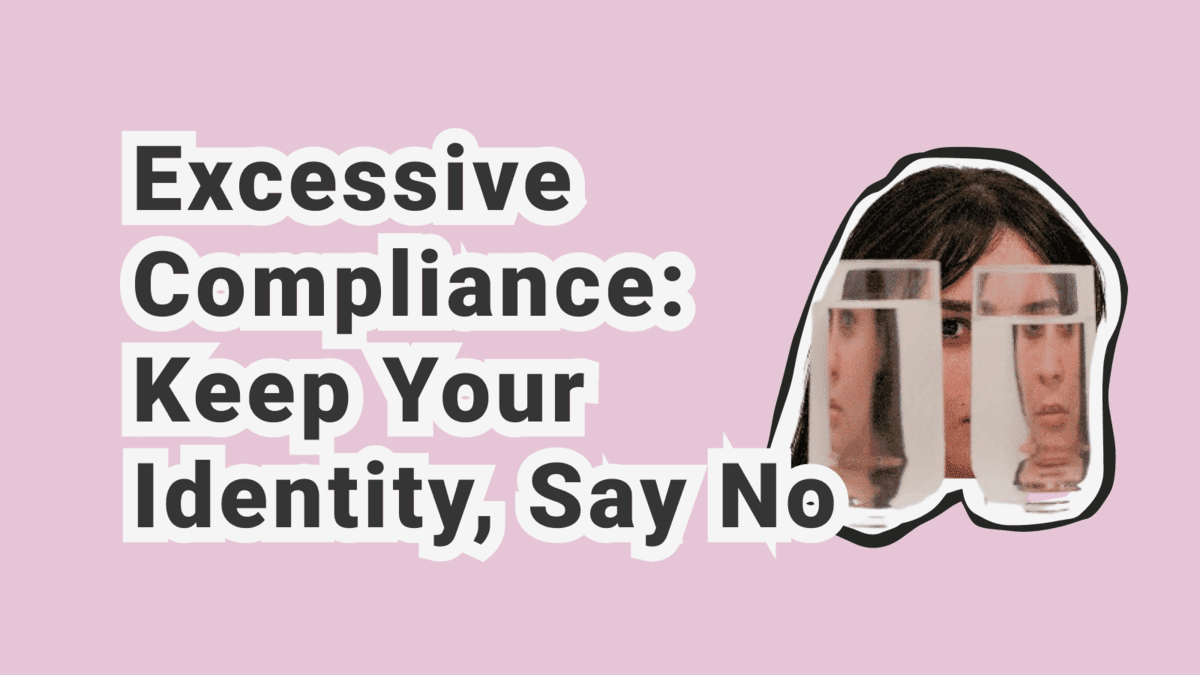
Excessive Compliance and False Self: Living Without Losing Yourself
Excessive compliance and the phenomenon of the false self. Psychological background, Masterson reference, and practical strategies.
Excessive compliance is a behavioral pattern that many people develop unconsciously. Childhood experiences, overly controlling or critical parents can lead individuals to suppress their own feelings and needs. Over time, this leads to the emergence of the so-called false self.
According to psychiatrist James F. Masterson, the false self is a strategic structure developed to please others, often out of fear of rejection and the need for emotional security. Modern psychology shows, however, that the false self is not only a reaction to past experiences but is also constantly utilized in daily life and professional contexts.
Psychological Foundations of Excessive Compliance
People who are overly compliant tend to prioritize the expectations of others. This leads to the following psychological processes:- Adapting the self to the expectations of others
- Suppressing one's own needs and feelings
- Difficulty setting personal boundaries
Experts emphasize that this behavior is often associated with feelings of worthlessness and fear of rejection. In the long term, excessive compliance can lead to a lack of identity and personal fulfillment.
The False Self in Daily Life
The false self manifests in individuals suppressing their own needs and feelings. In everyday life, this can appear as:- Excessive reliance on others' approval
- Difficulty expressing emotions
- Neglecting personal desires
- Feeling the need to constantly perform roles professionally or socially
This can lead to dissatisfaction, emotional exhaustion, and distance in relationships.
Emotional Awareness and Inner Dialogue
Awareness of one's own feelings is crucial. Excessive compliance can be reduced by reflecting daily: "What did I feel today? What did I need?"Journaling feelings or sharing them in a safe environment strengthens conscious self-perception.
Setting Boundaries and Articulating Needs
Setting boundaries is essential for healthy relationships, both professionally and personally. Small steps can make a difference:- Declining additional tasks
- Learning to say "No"
- Prioritizing personal plans
This reduces the pressure to constantly please others and supports the transition from the false self to the true self.
Contact with the True Self
The true self is connected to one's own values, desires, and convictions. Therapy, counseling, or personal reflection can strengthen this contact. The better individuals know themselves, the more authentic and fulfilling their relationships become.Social Environment and Support
Social bonds can mitigate the effects of the false self. It is important to distance oneself from critical or stressful individuals and create a supportive environment. This increases psychological resilience and life satisfaction.Conscious Decision-Making and Autonomy
Overly compliant individuals should learn to make decisions consciously while considering their own needs. This strengthens self-confidence and inner contentment.Defining Personal Values
Awareness of one's own values is central to overcoming the false self. Those who know their values can set healthy boundaries and increase personal fulfillment.Psychological Outcomes and Awareness
Once recognized, excessive compliance and the false self can present a chance for personal development. When individuals identify their boundaries and needs:- Identity integrity increases
- Relationships become more open and fulfilling
- Inner satisfaction and quality of life improve
Masterson's approach aims to restore the connection to the true self through analyzing the origins of this behavior, enabling a healthier life.
Summary and Practical Tips
Excessive compliance and the false self may initially feel protective but, in the long term, lead to loss of identity, relational difficulties, and emotional exhaustion. Modern psychological and therapeutic approaches help to reconnect with the true self, set boundaries, and recognize personal needs, making a more fulfilling life possible.Practical steps:
- Daily exercises in emotional awareness
- Setting small boundaries and learning to say "No"
- Identifying personal values and desires
- Building a supportive social environment
- Seeking therapy or psychological counseling
These strategies support the transition from the false self to the true self and enhance life satisfaction.

To create a session
You can quickly create a session request via WhatsApp or email by choosing the therapy package that best suits you.